Walking around Vancouver with the Fuji X100s | Olaf Sztaba

Thank you so much for your comments and kind words. We have been shooting Fuji X100s quite extensively in the last few weeks and here are some additional (full review here) thoughts about the camera and the files it produces:

  • The autofocus is indeed much, much faster.
  • The camera is dead quiet, unlike anything else on the market.
  • JPEGs straight from the camera continue to impress us. They are the best in the industry, period!
  • Velvia film simulation appears to be much improved (our initial impression was mixed). There are no more lost shadows, so we use it more often now.
  • The Fuji X100s RAW files do not respond well to the Adobe Camera RAW sharpening formula (they are falling apart and getting a strange look). Instead, we use NIK Sharpener Pro and the files look great; we have no such problems.
  • The Dynamic Range Auto (DRAUTO) function works great. If you are shooting JPEGs only, be sure to use it. Recently we covered a small family event and shot JPEGs exclusively with DR-Auto on. We could not believe the results – the system didn’t allow highlights to blow out. The camera did a very good job of handling mixed and challenging lighting.
  • The in-camera sharpening at default settings is a little weak in our view; we set it between +1, or sometimes +2. The pictures don’t look over-sharpened at all.
  • The prints from JPEGs are gorgeous (11×17) and from TIFFs they are even better (printed up to 20×30 – see here).
  • The fun factor, portability, is unlike anything on the market now.

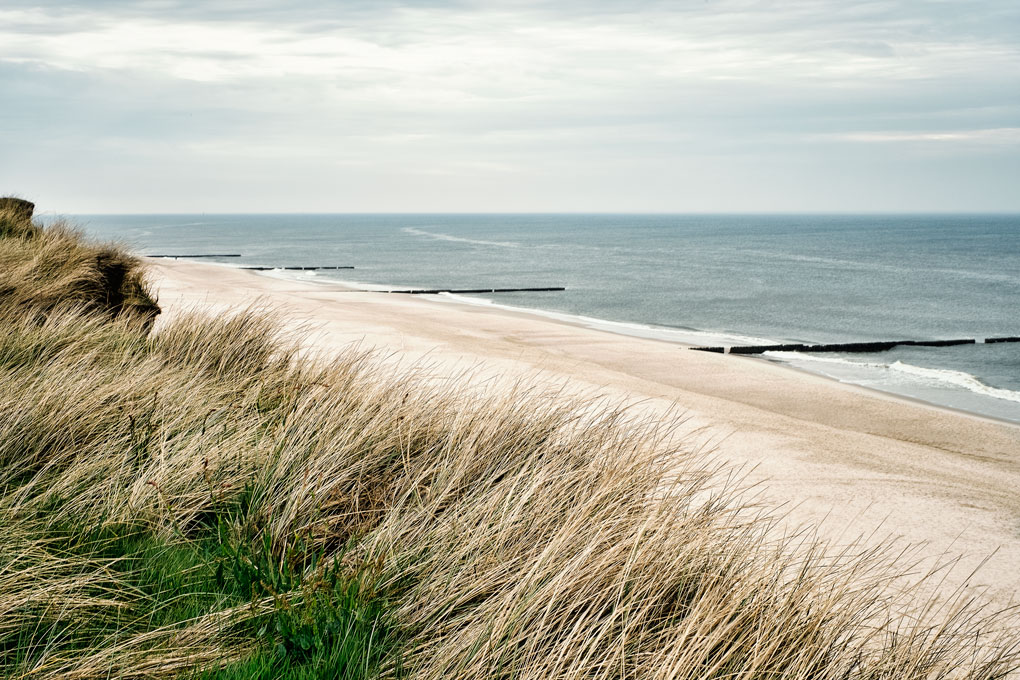
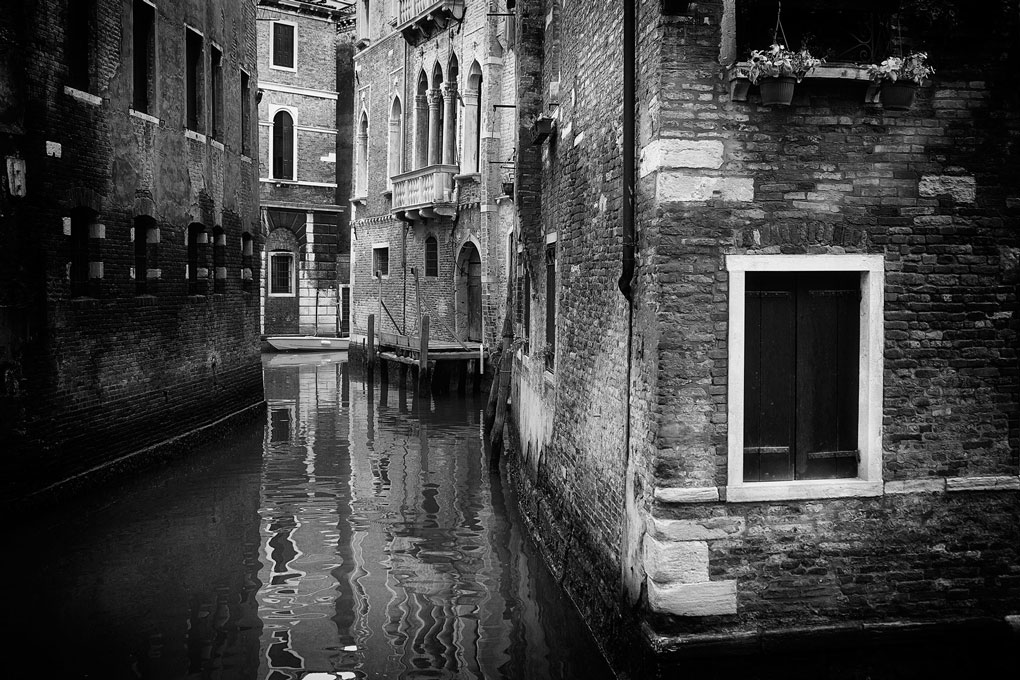
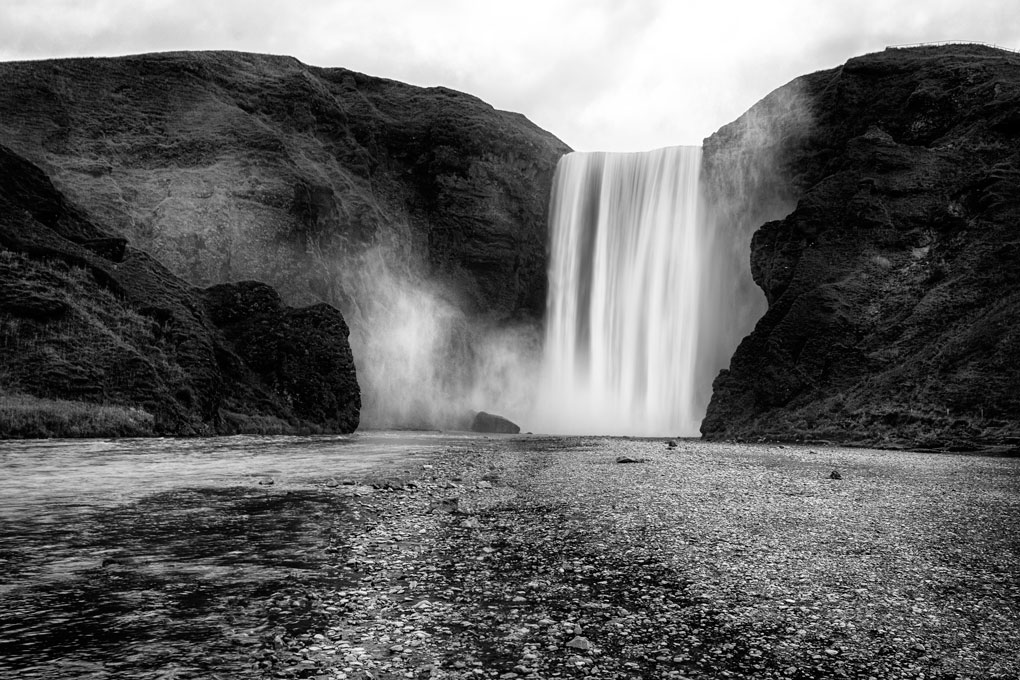
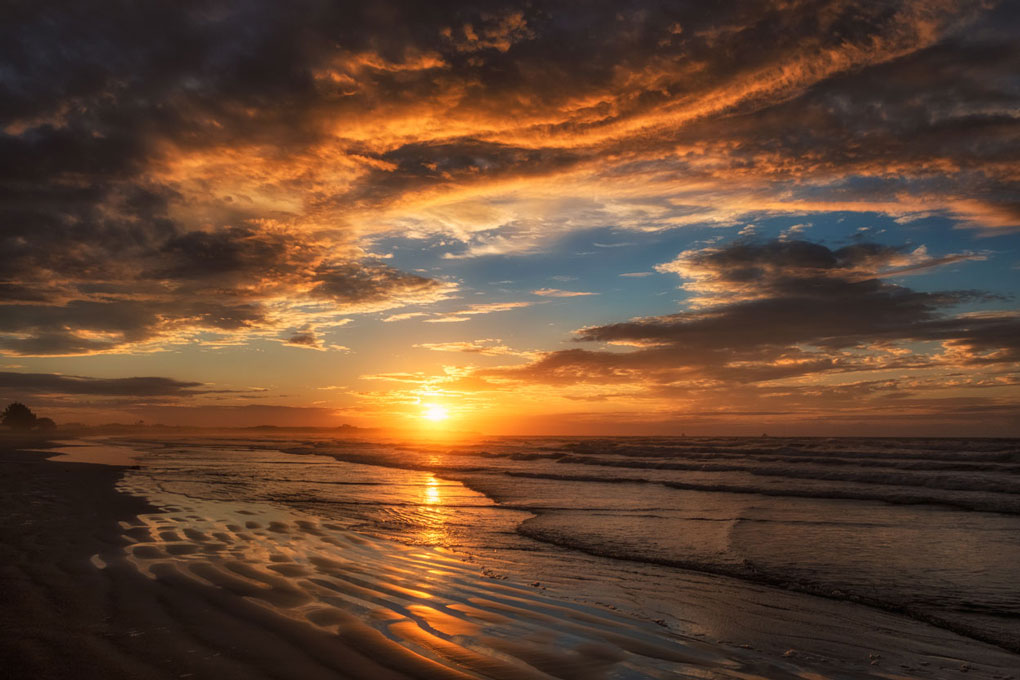
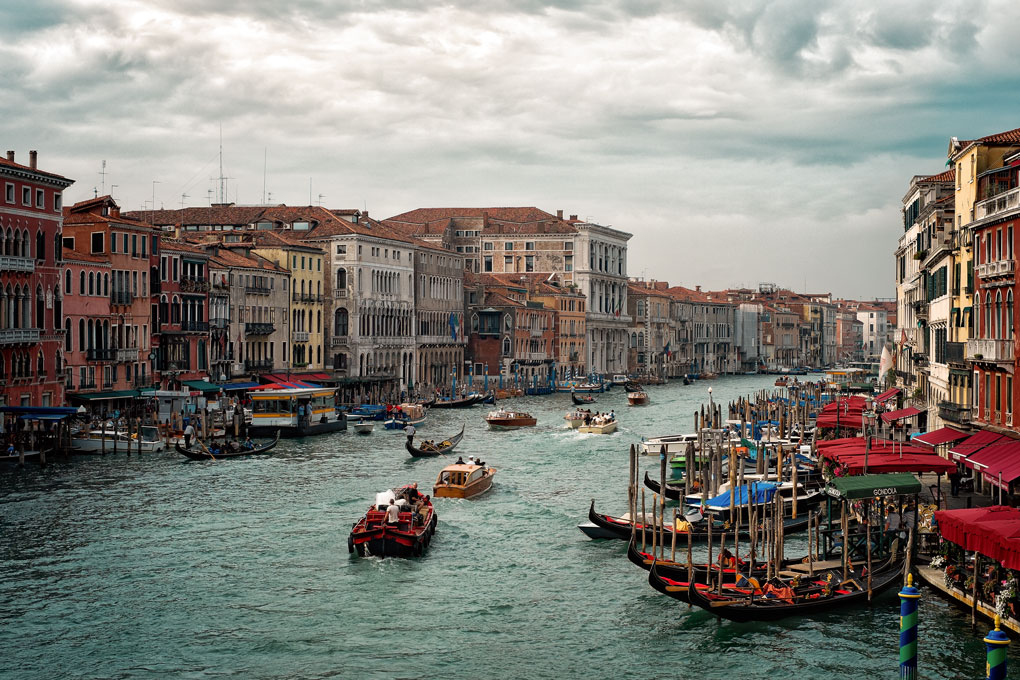
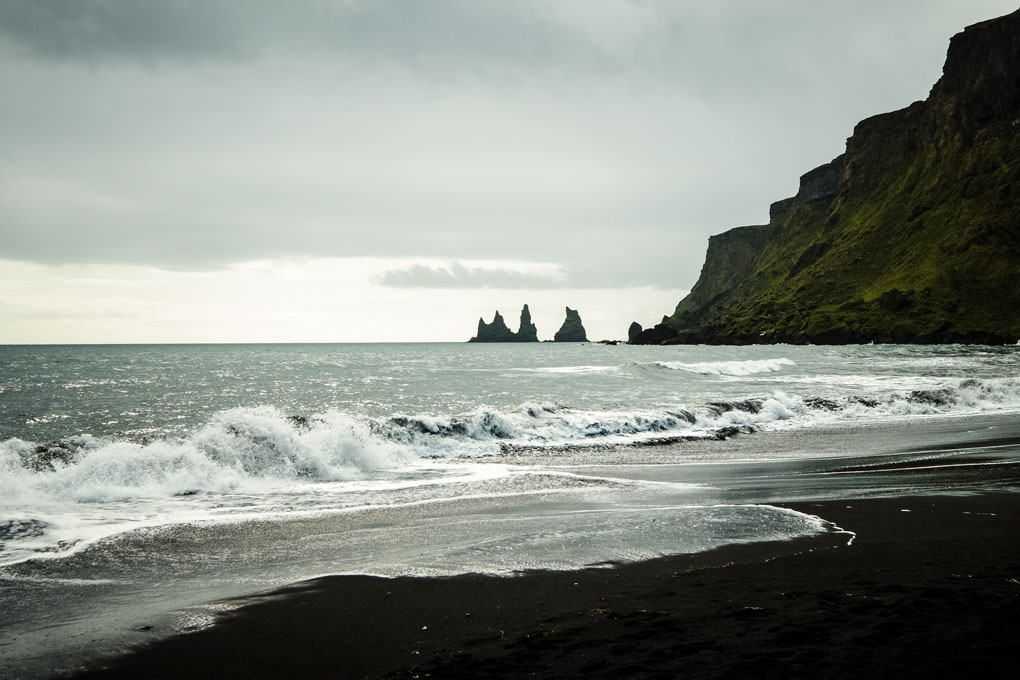
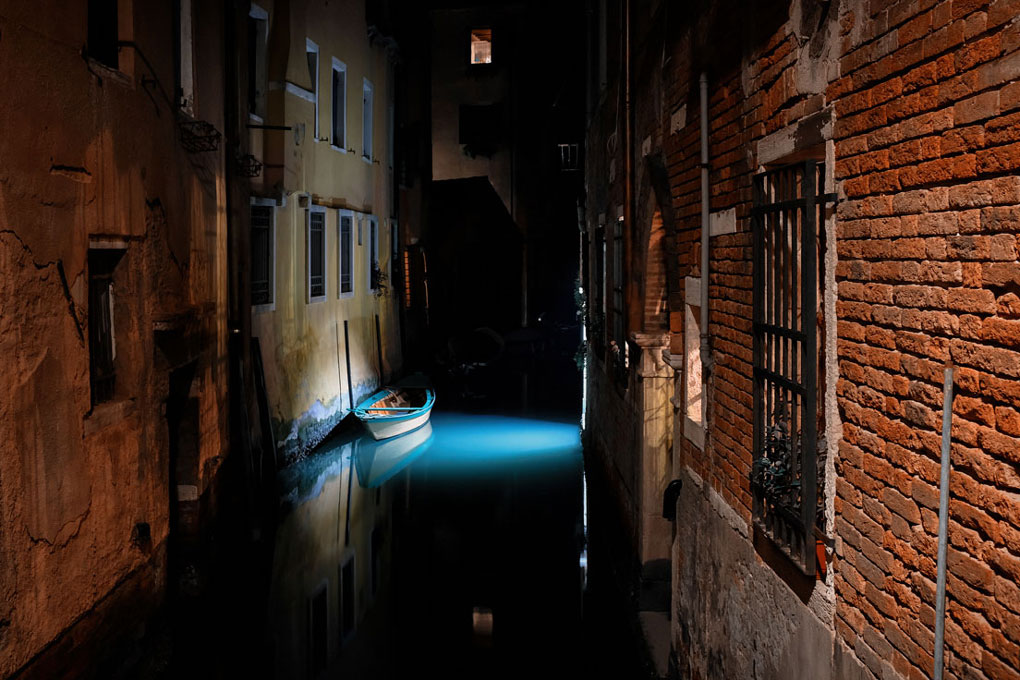
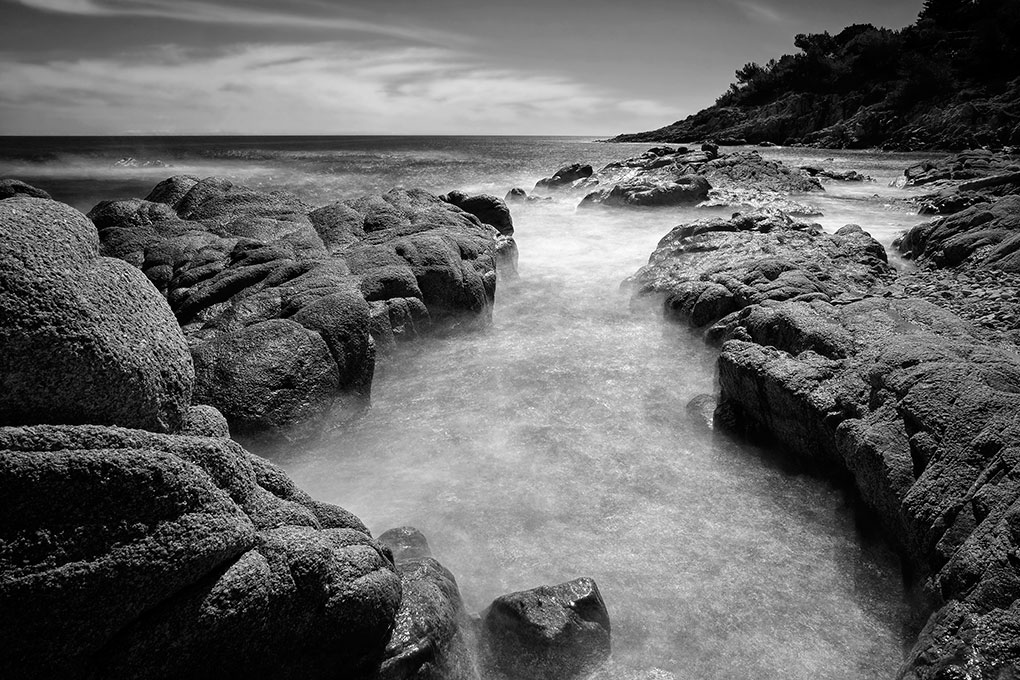
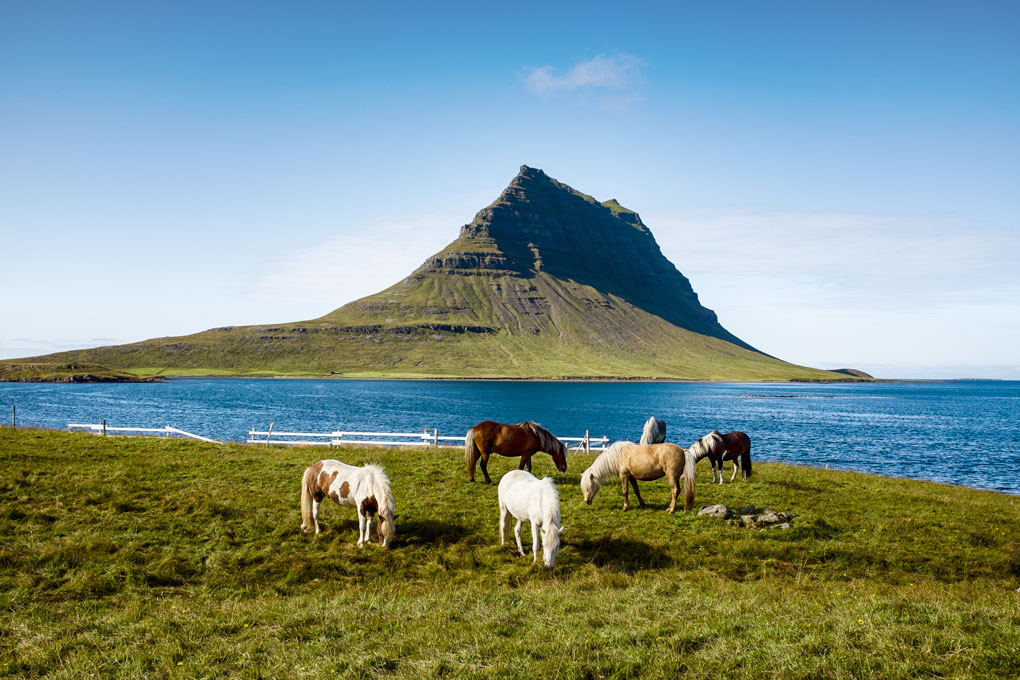
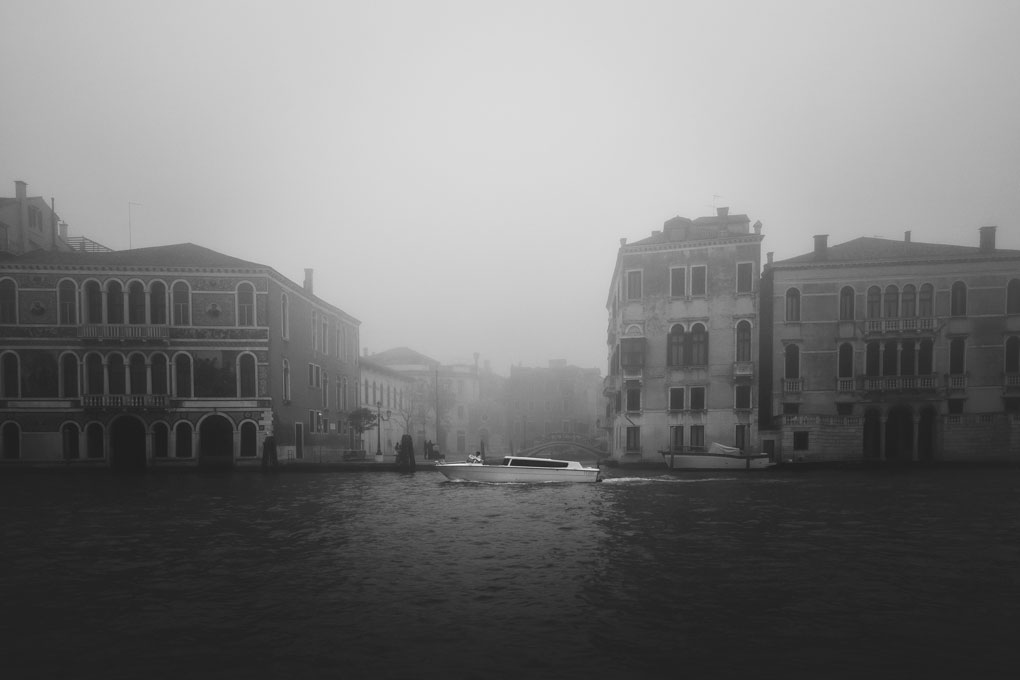
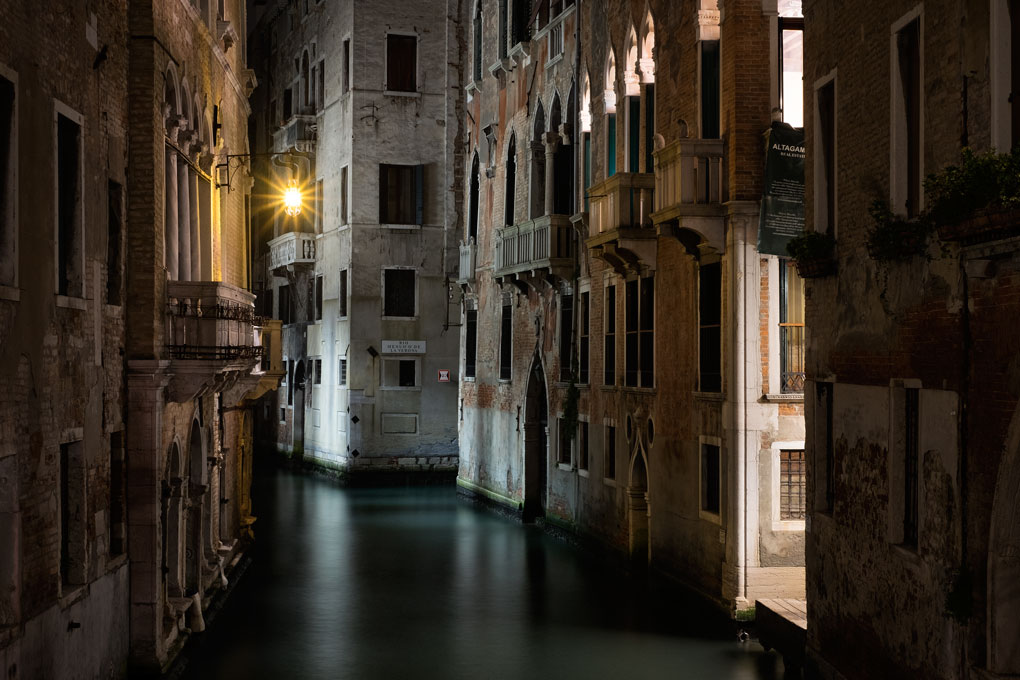
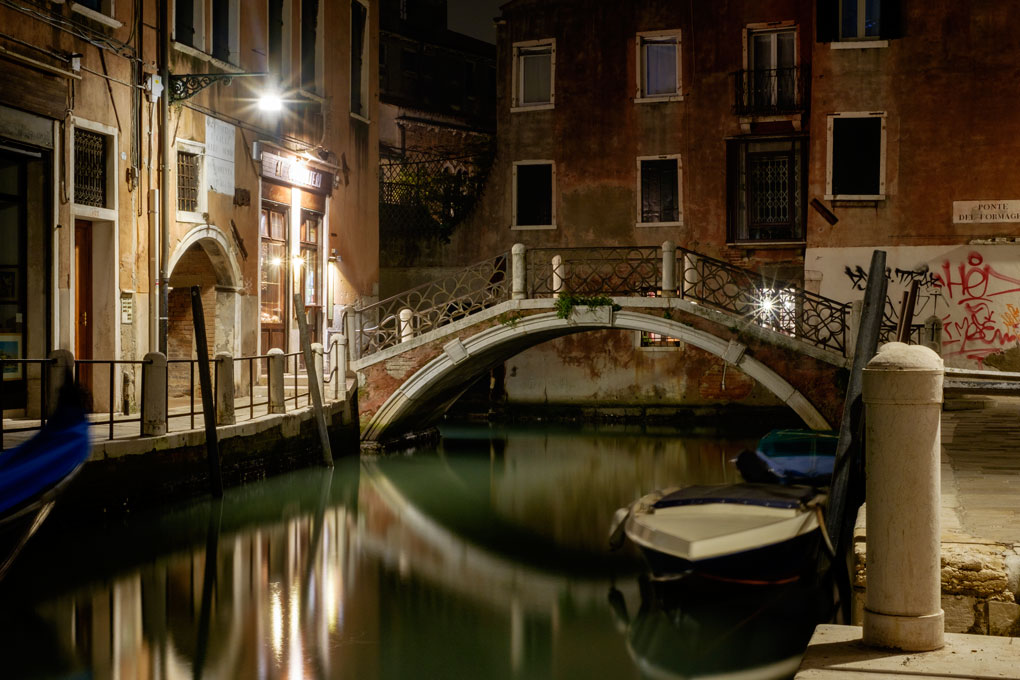
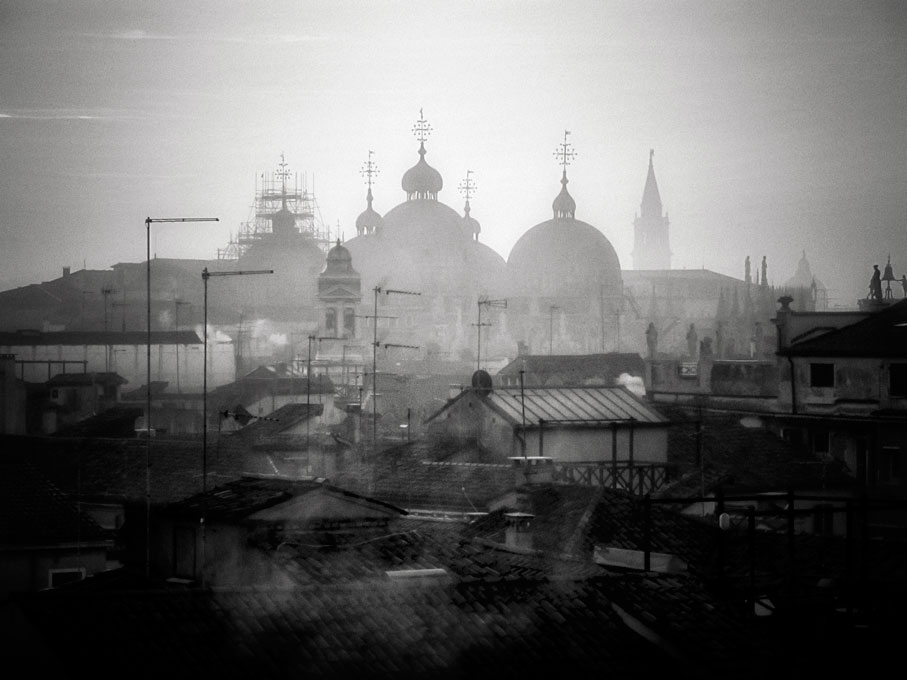
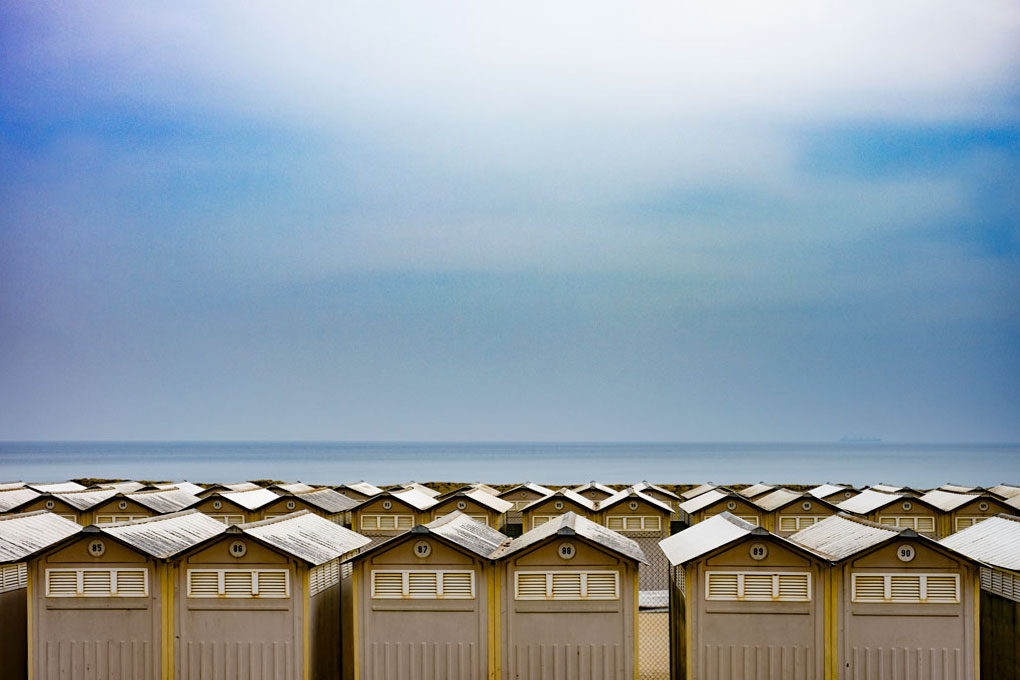
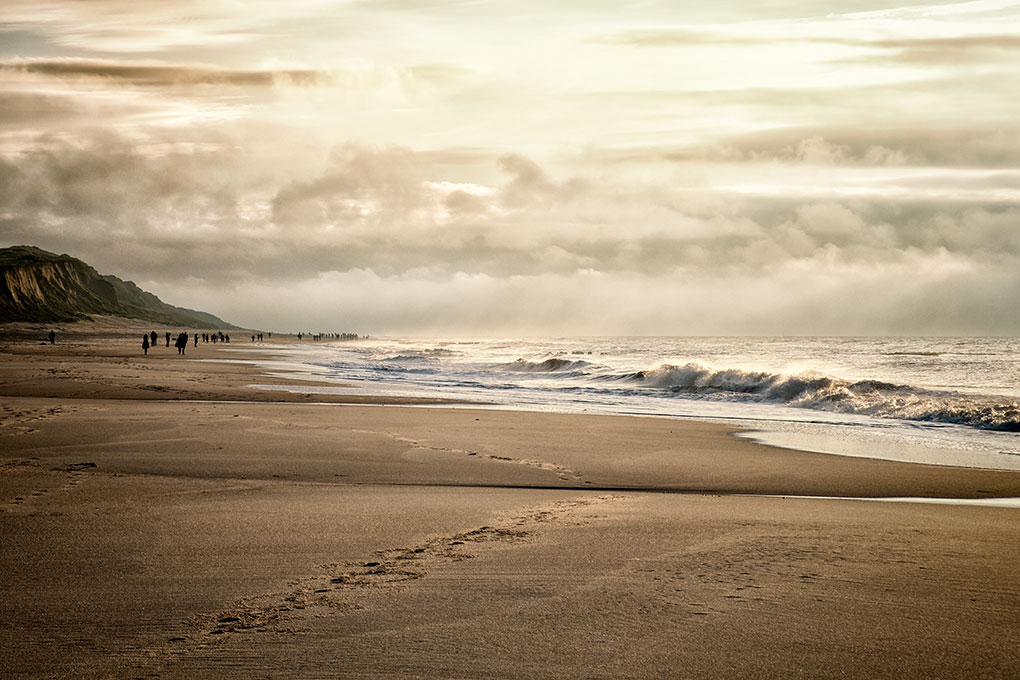
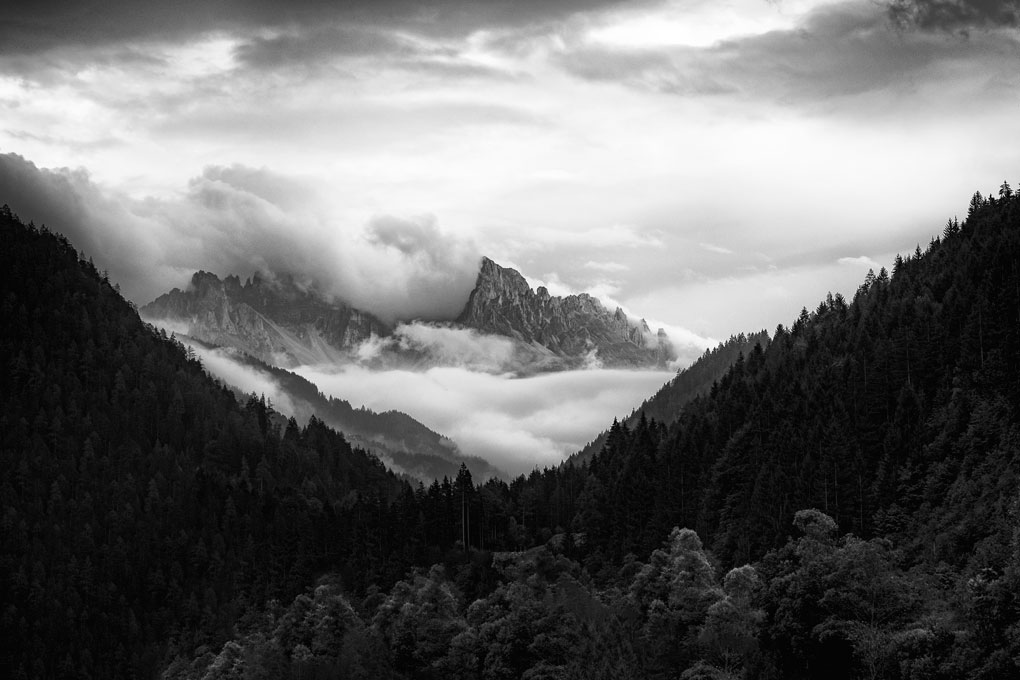
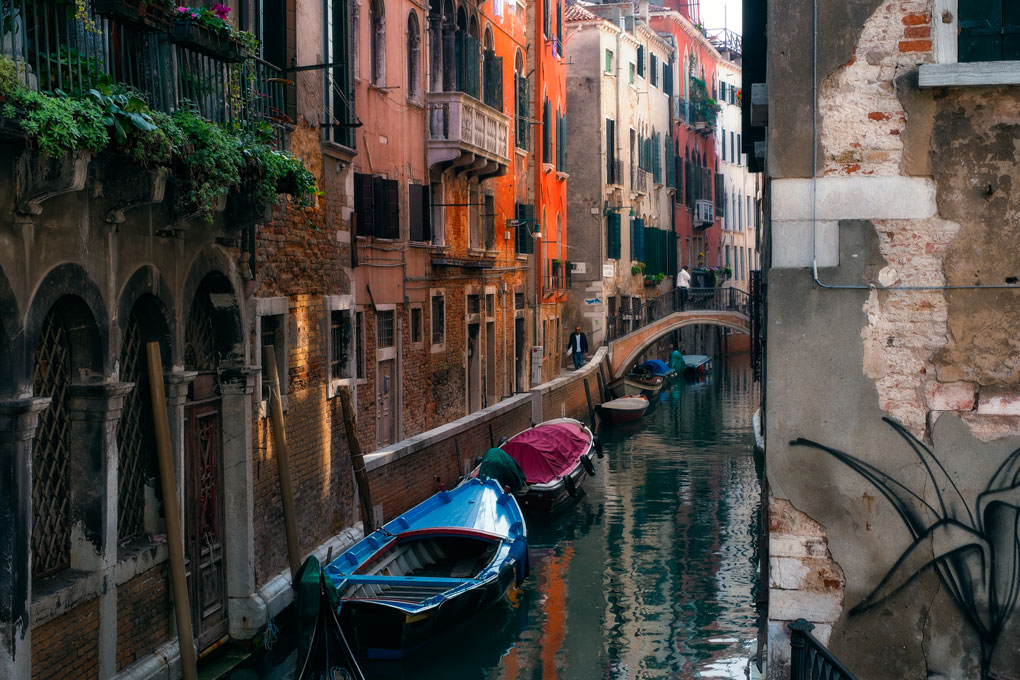
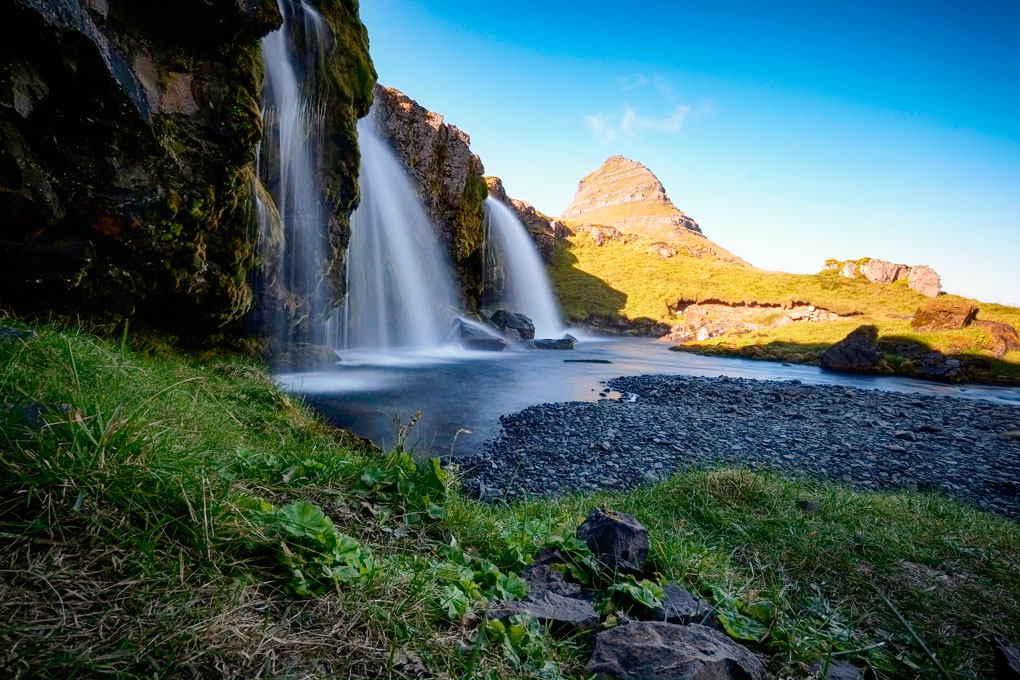
All right, enough of this technical jumbo-mumbo. It is time for some images. Today I went for a very early morning walk around Vancouver with the Fuji X100s and here are the results.

See more pictures on olafphotoblog.com

Zen in the Art of Street Photography | Eric Kim

Photograph by Rinzi Ruiz (All photographs in this article provided by Rinzi Ruiz)

My good friend Nicholas Susatyo recently recommended a book to me: “Zen in the Art of Archery.” In-fact, it was the book that Henri Cartier-Bresson said had the deepest influence in his photography. I have been meaning to read it for a while, so on my flight to Philly I decided to give it a go.The book is written by Eugen Herrigel, a German philosophy teacher who went to Japan for several years and learned the art of archery (while teaching philosophy at a Japanese university). He heard about the art of archery, and was fascinated with the zen philosophy which was embedded in the art.

As we all know, archery is no longer practiced in the “real world” in battles and such. When Herrigel wrote “Zen in the Art of Archery” in the 1940′s, it was a very closed art– only reserved to local Japanese who were serious enough about it. To teach a foreigner the art of zen and archery was considered heretical. However with some good luck (a good introduction by a Japanese friend) and some persistence, Herrigel was able to go under the wing of one of the greatest archers in Japan. And with his experiences learning under him for 6 years, he wrote his brief book in “Zen in the Art of Archery.” The book was an enjoyable read to me, because he explained the zen philosophies (which are often cryptic) in a way in which westerners could understand. Being Korean-American myself, it was the perfect balance of Eastern Philosophy with Western analysis. After finishing the book, not only did I learn many insights which I plan on applying to my practical everyday life, but also to my street photography. Some of these philosophies may seem a bit cryptic, but I will share what I personally got out of reading the book. And of course, I am not an expert of zen–and one of the biggest difficulties is that there are so many branches of zen that all the practitioners have subtly different philosophies. Please feel free to share your thoughts and also corrections in the comments below……

See on erickimphotography.com

No More Time to Waste | Marc-André Pauzé

This week was a special mix of satisfaction, surprise and anger. First I went for a walk at 23h30 and was in awe under the sky still lit, helped by some Aurora Borealis. Then the next day, I saw the Inuit version of “The Hockey Night in Canada” as young boys were playing in the streets despite the ferocious cold wind. The anger came with a letter from Getty Images wich I describe in a precedent post. After having spent most of the week-end questioning myself about the Getty Issue and decided to fight back, I went on a walk without any other goal than observing and exploring, as I often do. I stumble upon this little Inuk, who can’t wait any longer to make sand castle. A few feet away, the sea ice is still covering part of the bay, although it is shattered and flowing slowly to the Ungava. Wanting to see how much ice was left, I climb a nearby mountain and walked over to the big bay. Here’re a few pictures from the week and from this climb. Although summer seems a long way, the small boy on the beach was already in his summer play. No more time to waste. Text & Photographs © Marc-André Pauzé – all rights reserved. You can diffuse and share on your social media using the buttons on the upper left side of the window, but the use of the picture is restricted through Stipple. Make sure you link back to this site and credit the author. Please forgive if there are any grammatical errors, my main language is french. To see the pictures in maximum size, click on one of them and change using the arrows of your keyboards or by clicking on the right edge of the picture…..

See on waseyaimages.net

A walk on the wide side…or how I use ultra wides like the Fujinon 14mm |
George Greenlee

Ultra wides are fun to use however the all encompassing field of view can make good compositions difficult to achieve, while being even slightly off true level in any plane can introduce unnatural distortions. Ok the latter can be used to good effect creating dramatic perspectives, but it can also look gimmicky if not done well. The obvious impulse is to go large and look for grand vistas. I find this is invariably a mistake. With a field of view of 21mm on the X-Pro1, the Fujinon 14mm is still a 14mm lens and its perspective reduces even the mightiest of mountains to hillocks in your images if you are not close enough. My wife took me up a mountain recently to show me the perilous route she took across the mountain on horseback. The image below was shot for fun with the X-Pro1 panorama feature and the 14mm lens. The mountains in the background are not that far away and they are over 1200m high. Where I am standing is at around 600m. The image is….well…rubbish really and gives no sense of the dramatic route that she took. A better way to take this shot would be to stitch multiple shots using a lens that is closer to the perspective of the human eye, say 50mm or so. The second impulse, at least for landscapes, is to use F11 or higher and use the hyper-focal technique. This works well in most cases, particularly if the intended display medium is the web, but my personal preference is to use an aperture of around F8 and to manually focus on the subject. Ultra wides like the 14mm at F8 have buckets of DOF without having to worry about diffraction. Manually focusing on the X-Pro1 is very straight forward. With longer lenses the 10x magnification on the view finder is a challenge, but I find it ok on this lens. If you find it tough, drop to 3x. The real bonus of this method is that if you do decide to print large you will have a better quality image in the sense that the key subject is on the plane of sharpest focus. The Fujinon XF 14mm is remarkably devoid of distortion which makes it an interesting lens to use for architecture. I tend to travel a lot on business and I always carry a camera with me. Recently I was near Tower Bridge in London heading to the Regus offices there for a meeting. It was all foggy an atmospheric first thing in the morning. The City Hall  building caught my eye but I was late for the meeting so  I took a  a quick snap to remind me to go back after work, or later in the week to take some photos……

See on wideanglecafe.wordpress.com

paris monochrome | Basili

Street Photography with Fuji X-E1 in Paris

Basili is an information designer, photographer and writer based in Tokyo, Japan. His interests include the cultural discoveries of travel; design and its many facets – from architecture and industrial design to graphics and typography; technology and media; Japanese food and good espresso coffee

See more pictures on basilimobilephotographs.wordpress.com

Slowing Down With the Fuji X-Pro1 | Craig Litten

I’m a photojournalist by profession, a documentary photographer by choice, and a street photographer in my heart, but before all of that, I just love photography, and l love to take pictures. Enter in the Fuji X-Pro 1. Very recently, less than one month ago, I sold all of my DSLRs, fast glass and long lenses and purchased two Fuji X-Pro 1 bodies, the XF 18mm f/2 (approx. 28mm equivalent), the XF 35mm f/1.4 (approx. 50mm equivalent), and the XF 18-55 zoom and I couldn’t be happier. For nearly two decades I’ve wanted a Leica film body (M6), but in my career as a newspaper photojournalist and with all of the professional sports I had to cover, I just couldn’t justify it. In the late 90s I bought the amazing Contax G2 and loved it dearly. But as film started to fade and digital started to pick up speed, the M6 dream also faded. I finally sold the Contax in 2005 while it was still had value. As Leica released the M8, and I saw that the price was significantly higher than the already pricy M6 (I was never really interested in the M7), and that it was not a full frame sensor (because I really wanted a 35mm Summicron–Leica’s 35mm f/2 lens), I lost interest. Then the Leica M9 was released which caught my attention, but I knew that as a working photographer, I could never afford nor justify the cost of one camera and one lens, let alone a complete system. I love Leica, but it simply cannot be justified in its cost (for me personally), thus out of my reach. Leica used to be the camera of the working photojournalist, and many legends of photography have made iconic photographs with them, but the world has changed, and making a living with photography is harder than ever. With new amazing technology, and steep competition, working photographers are now using new tools that get the job done. There was a time in my career that if a photographer showed up for an assignment with anything but a Nikon or a Canon, they were looked at as an amateur, but not anymore. One of the big attractions of the Leica, to me, is its simplicity; in this it’s unbeaten still today. I applaud Leica for (mostly) remaining true to its heritage with the digital M cameras, and I hope they always will. No other camera system even comes close to the workmanship and quality build and materials of a Leica. If you’ve ever held a Leica lens, you know exactly what I’m talking about. Fuji, analogously, has invented a camera system that gets back to the basics. Things like a real shutter speed dial, check, a real aperture dial, check, a real optical viewfinder, check. But Fuji also added a real exposure compensation dial that’s even better than the ones the old Nikon’s used to have on their film bodies. Also, the wondrous beauty of Fuji’s hybrid viewfinder, where the user can switch, on the fly, from optical (OVF) to electronic (EVF), is the icing on the cake to me. This camera is a breath of fresh air to photograph with. The buttons are perfectly placed and they are few (only what’s needed). Today I chose to slow down and shoot just for the sheer joy of it. While photographing with the X-Pro 1 I was able to switched from optical finder, to rear LCD, to electronic viewfinder, to changing the ISO, the aperture, etc., etc. all effortlessly and without a thought. It was so much fun. In fact, it was pure joy. I really haven’t had this much fun shooting with any camera since my Contax G2. Imagine that, a professional photographer actually enjoying shooting when not getting paid to do so. (By the slightest chance if anyone from Fuji happens to read this article, I ask you to PLEASE not change a single thing on the X-Pro 1 camera body with the future X-Pro camera body, but instead just install dual, quad-core processors (for a little more speed) and we’re good to go. This camera is that good! …..

See more pictures on streetphotoworkshops.com

A weekend with the Fuji X-Pro 1: first impressions and thoughts about
the Fuji X system | MirrorLessons

Since a few days isn’t enough time to write a review with a capital “R”, I thought it would be more interesting to share my initial thoughts about the camera and the X system in general. The Fuji X-Pro 1 is one of the cameras that has deeply captured my interest since its release, and now that I’ve had the chance to test it, I’m trying to figure out if it is a system that I could embrace for my personal projects or work. I had the chance to play around with it two weekends ago. Heather and I went to Genova in the Liguria region, chasing the sun, as the weather is very unpredictable these days in northern Italy. Luckily for us, the day was wonderful and I was able test the camera along many of the small streets of the old city, as well as along the Costa Ligure. Genova is a very interesting city to photograph: the old part of town consists of very small and narrow streets that create contrasted scenes where shadows are sliced in half. An inspiring way to begin my photographic day. My initial feeling when holding the X Pro 1 for the first time was actually strange, because I found it bigger than I had expected. After several years of DSLR shooting, I shouldn’t have been surprised, but at the same time I had become so used to the small size of the Olympus OM-D and the Fuji X100s that all of a sudden, the X-Pro 1 looked like a big camera to me! But it only took a few hours to get used to it, and to realize it isn’t that big in the end. The size, the design, and the “philosophy” behind it clearly reminds me of another camera, the Leica M series. It is clear to me that Fujifilm wants to offer a professional system in a smaller and cheaper package without compromise in terms of sensor and lens quality. Of course, there are many differences between the two systems and since I am not a Leica expert, I won’t go in that direction. For me, it is enough to say that the “Pro” term used to name this camera is substantiated by the camera itself: it is solid, feels nice and steady in my hand, and has an all metal build. From the first test shots after unboxing the camera, you recognize that this camera exudes quality … and isn’t half bad to look at as well! ….

See more pictures on www.bestmirrorlesscamerareviews.com

Adobe Photoshop Camera Raw 8.1 Beta | Adobe Labs

Adobe Photoshop Camera Raw 8.1 (for Photshop CS6) provides new camera and lens profile support for Camera Raw Users. The fresh revision boasts support for HiDPI monitors, new cameras and lens profiles. This is the first time that a major version (8.x) of the plug-in provides update for the previous major build (7.x). However, this ensures continued RAW support for Photoshop CS6 customers.

Keep in mind that the Camera RAW 8 for Photoshop CS6 will not provide users the new features promoted in any of the marketing materials Photoshop Creative Cloud….

See on labs.adobe.com

Mixed Lighting & the X-Pro | Dave Kai Piper

A little blog about shooting Mixed light set ups with the Fuji X-Pro

It seems to be that most people first looked at the Fuji X -Series cameras as street style cameras or reportage cameras.  At least this might of been how they were first marketed.  It was quickly very evident that the camera system was more than capable for much more. A fashion photographers dream is a quick, simple, stripped down camera that packs a punch. Super sharp and super punchy. Shooting natural light is a lot of fun with these cameras as it does let you travel with smaller kit bags and encourages freedom and movement. Being able to use the “photographers eye” to work with natural light can be super rewarding.

For my work, I love to create a mix of the two. As much as I love the lighting styles of people like Joey L and Damien Lovegrove. I am trying to work out what my lighting style still is. Maybe one day I might work it out !! The Fuji works great in the studio, on location and a mix of the two. Which is what I like to to..   Using speed lights, mixing them with naturally created light and additive lighting styles is just so much fun. Playing about with light can be very rewarding. When syncing the X-Pro, you have a number of options. It is great having the back up Sync port for a cable, but I use the Pocketwizard triggers. I do find that keeping the shutter around 1/60th of a second works well compared to the 1/125th that most people would be used to with a DSLR. Also.. when in the studio or using strobe lighting, I tend to go for the 18-55 zoom lens for some reason over the faster primes. I think this is the idea that if I don’t need a fast lens  I might as well have the OS lens or the chance to zoom. It would be nice to have the X-Pro shoot using some kind of tethering to Lightroom or Capture one though, maybe some day !! The other thing that would be nice, which I am sure they will change for the next iteration of the X-Pro is to have the screen show the exposure rather than balance the LCD and only leave you to gauge exposure using the +/- meter. Trying to balance out all your tones can be hard, and shooting with colour filter or grad filters is not much fun either. Maybe also a dedicated X- Sync mode would be nice.. Kinda something like Pentax have. I am a big fan of the Pentax shooting modes…..

See more pictures on www.davepiper.org.uk

b/w . paris . france | Moritz Winkler

b/w . paris . france
 
Fuji X-Pro1 with 35mm f1.4 and Minolta MD Rokkor 50mm 1.4 …
 
See more pictures on nighlines.tumblr.com

Page 1 to 16812345...102030...Last »