Fuji X100s

Walking around Vancouver with the Fuji X100s | Olaf Sztaba

Thank you so much for your comments and kind words. We have been shooting Fuji X100s quite extensively in the last few weeks and here are some additional (full review here) thoughts about the camera and the files it produces:

  • The autofocus is indeed much, much faster.
  • The camera is dead quiet, unlike anything else on the market.
  • JPEGs straight from the camera continue to impress us. They are the best in the industry, period!
  • Velvia film simulation appears to be much improved (our initial impression was mixed). There are no more lost shadows, so we use it more often now.
  • The Fuji X100s RAW files do not respond well to the Adobe Camera RAW sharpening formula (they are falling apart and getting a strange look). Instead, we use NIK Sharpener Pro and the files look great; we have no such problems.
  • The Dynamic Range Auto (DRAUTO) function works great. If you are shooting JPEGs only, be sure to use it. Recently we covered a small family event and shot JPEGs exclusively with DR-Auto on. We could not believe the results – the system didn’t allow highlights to blow out. The camera did a very good job of handling mixed and challenging lighting.
  • The in-camera sharpening at default settings is a little weak in our view; we set it between +1, or sometimes +2. The pictures don’t look over-sharpened at all.
  • The prints from JPEGs are gorgeous (11×17) and from TIFFs they are even better (printed up to 20×30 – see here).
  • The fun factor, portability, is unlike anything on the market now.

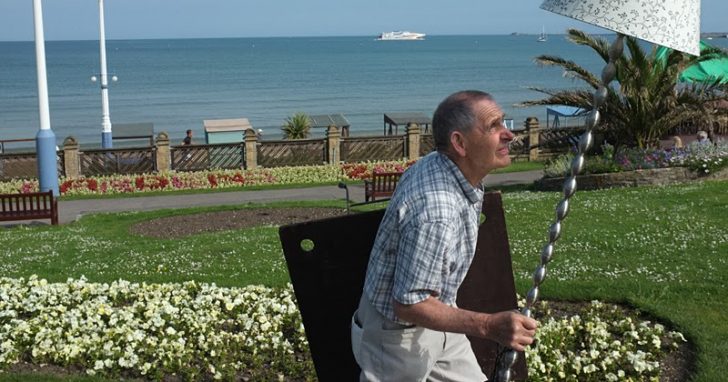
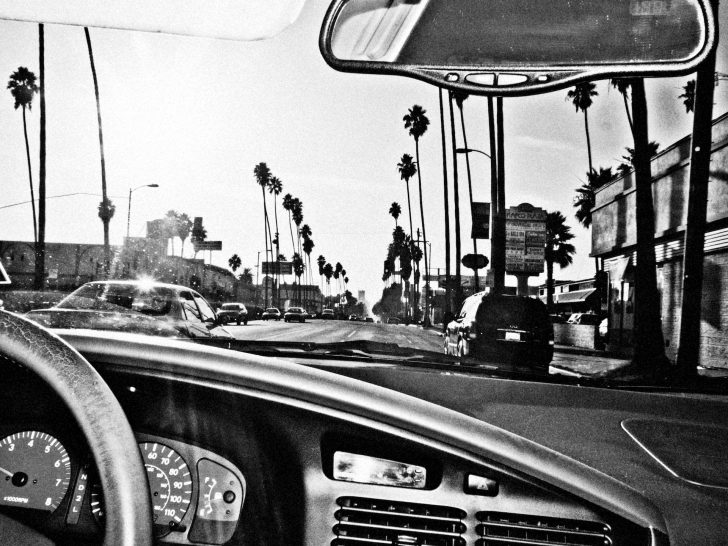
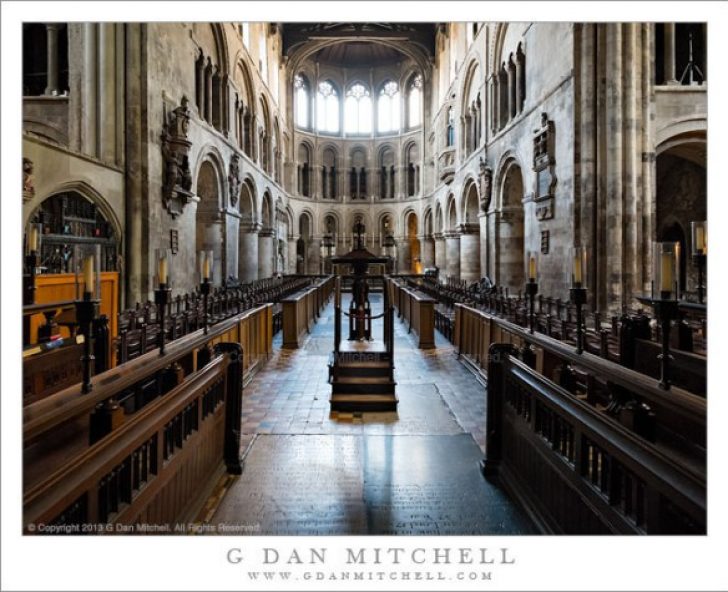
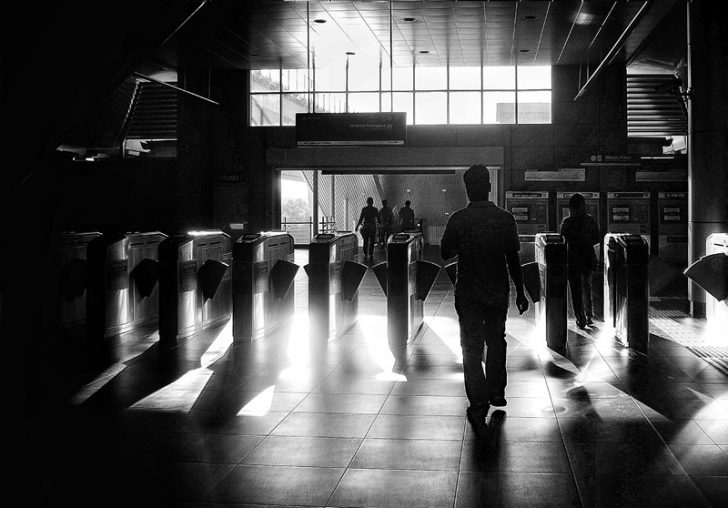
All right, enough of this technical jumbo-mumbo. It is time for some images. Today I went for a very early morning walk around Vancouver with the Fuji X100s and here are the results.

See more pictures on olafphotoblog.com

Adobe Photoshop Camera Raw 8.1 Beta | Adobe Labs

Adobe Photoshop Camera Raw 8.1 (for Photshop CS6) provides new camera and lens profile support for Camera Raw Users. The fresh revision boasts support for HiDPI monitors, new cameras and lens profiles. This is the first time that a major version (8.x) of the plug-in provides update for the previous major build (7.x). However, this ensures continued RAW support for Photoshop CS6 customers.

Keep in mind that the Camera RAW 8 for Photoshop CS6 will not provide users the new features promoted in any of the marketing materials Photoshop Creative Cloud….

See on labs.adobe.com

Custom Made Surfboards und die Fuji X100S – Erste Eindrücke |
Timo Roth

Da wir auf Hochzeiten selten im Studio zu finden sind haben wir mit der Fuji x100s und der Fuji X-E1 Lutz Graichen von Windflüchter Surfboards besucht um etwas realere Bedingungen für einen Test zu haben als Schärfetafeln oder Stilleben. Der studierte Sportwissenschaftler baut seit 2008 in Rostock an der Ostseeküste Windsurfboards unter dem Namen Windflüchter. Und so wie sich die Form eines Windflüchters, eines Baumes dessen Wuchsform stark durch die Winde an der Küste beeinflusst wird, passt Lutz seine Boards nach den Wünschen seiner Kunden an. Ausgeglichenheit, Liebe zum Detail, Präzision und die Leidenschaft für das Handwerk sind allgegenwärtig wenn man bei ihm in der Werkstatt ist. Allerdings erwarten die Kameras in seiner Werkstatt auch flackernde Neonröhren und viel Staub. Nicht gerade das wir normalerweise auf Hochzeiten vorfinden, aber ein recht extremer Test für die kleinen Fujis da sie keine wirkliche Versiegelung haben. Zwar hat meine X-E1 auch schon den einen oder anderen Regen überstanden, aber wer weiß. Am meisten war ich auf den neuen Autofokus und natürlich das “digitale Schnittbild” im manuellen Fokus gespannt. Soviel sei gesagt: Ja, der Autofokus der x100s ist schneller als der, der X-E1, aber unter erschwerten Bedingungen noch nicht mit einer DSLR Vergleichbar. Vielleicht in der nächsten Generation von Fuji Kameras. Intelligent Hybrid AF nennt Fuji die neue Methode zur “Scharfstellung” und meint damit eine Mischung aus “TTL Phase detection” und “TTL contrast”. Die Bewegungen von Lutz beim Shapen des Boards einzufangen ging der kleinen Fuji dann aber doch nicht so einfach von der Hand wie erhofft. Sicher kann das den schlechten Lichtverhältnissen geschuldet sein. Ein weiterer Test mit spielenden Kindern in der Sonne wäre wohl notwendig bevor wir die kleine mit dem neuen 16.3 MP X-Trans CMOS II Sensor zu einer Hochzeit ausführen. Wenn man die Ruhe des Moments nutzt sitzt der Fokus natürlich perfekt, keine Frage. Zeit also das Fokus Peaking und das “digitale Schnittbild” im manuellen Fokus zu testen. Einer der vielen Punkte auf der Wunschliste der Fuji Nutzer ist das Fokus Peaking und siehe da, Fuji hat die Gebete erhört. Zumindest teilweise. Denn wenn wir mal ehrlich sind ist ein Fokus Peaking mit weißen Kontrastkanten dann doch im realen Leben weniger hilfreich als erhofft. Grün oder Rot wären wohl die bessere Wahl gewesen. Wer weiß, vielleicht liefert Fuji hier per Firmware noch nach. Eine neue Welt eröffnet das momentan “weltweit erste Fokussystem, das eine sensorbasierte Phasenerkennung nutzt” – Zitat Fuji. Soll heißen, wenn die Kanten der dargestellten Bildhälften aufeinander liegen, ist der entsprechende Bereich scharf. Anfangs ist es etwas ungewohnt, aber es funktioniert perfekt wenn man sich erst Mal daran gewöhnt hat. Im Direkten Vergleich der Schärfe zwischen dem 23mm f2 der x100s und dem XF-35mm f1.4 an der X-E1 verliert das fest an der x100s angebrachte Objektiv. Nichts desto trotz ist die Kombination der 35mm äquivalenten Kleinbild Brennweite am X-Trans Sensor eine Wucht bedenkt man das Kamera und Objektiv locker in die Hosentasche passen. Und darin besteht momentan auch der Vorteil gegenüber der X-E1, die vom Body her eine ähnliche Größe aufweist, aber durch die wechselbaren Objektive eben wesentlich “sperriger” daherkommt. Hier will Fuji noch dieses Jahr mit dem 27mm f2.8 Pancake eine Hosentaschen Variante anbieten. Das Rauschverhalten haben wir ja schon in anderen Blog Einträgen bis ISO 6400 gezeigt. Und wer sich über Randunschärfen unterhalten möchte kann sich auch unseren Vergleichstest ansehen. Die folgenden Bilder sind alle mit ISOs zwischen 1600 und 2500 bei Aperture Priority aufgenommen. Die Fuji x100s musste dabei bei komplett geöffneter Blende, also f2 belichten. Die X-E1 konnte mit dem XF-35mm f1.4 auf f2 abblenden. Ein Bild mit ISO6400 hat sich eingeschlichen. Wer’s findet darf es behalten. Eines muss noch zu den Farben gesagt werden. Beide Fuji Kameras haben es geschafft bei den schlechten Lichtverhältnissen, ständig wechselnden Farbtemperaturen im und automatischem Weißabgleich perfekte Farben zu generieren. Timos betagte 5DMKII hatte da sichtlich ihre Probleme und man konnte von 3 Bildern hatten alle 3 einen anderen Weißabgleich im Auto WB Modus……
 

Google Translater (GER -> ENG)
http://bit.ly/10JmT8M
 

See on www.jungetrifftmaedchen.de

Fuji X100s Camera Review | Scott Bourne

There’s no doubt that Fuji has been shaking up the photography world lately. They’ve come up with some cameras that some describe as retro. I’d call them oddly wonderful. They all have a learning curve and they all have one other thing in common. They are hot commodities. Not everyone is taken with Fuji. Their first efforts in this space came up short in my opinion. And the X line is a bit polarizing. It’s like owning a Fiat 500. Some people run up and tell you it’s the coolest car they’ve ever seen. Others think it’s stupid. No matter where you fall on that spectrum, you should take another look at Fuji because their second iteration X100s is worth your consideration. I decided to buy the Fujifilm X100S camera for review. I had no idea how hard it would be to try to find one. It was no easy task. The cameras is quickly gaining a reputation as a fun little unit that can be used for serious work. All the usual big name camera stores are sold out of the X100s. But the great folks at PRO PHOTO SUPPLY in Portland were able to get their hands on the last one anywhere and shipped it to me right away. I got the camera Friday, installed the latest firmware (version 1.02), charged the battery and went to work. The basics of the X100s are simple. The camera uses a rangefinder metaphor and looks a little like the famous Leica cameras of old. (Specifically – it reminds me of the M3.) The internals are however quite different. The camera uses an APS-C 16M X-Trans CMOS sensor. (This is a very innovative sensor that delivers extraordinary low-light performance and super clean, sharp images.) There is no other company producing such a sensor and this is just the first place where the X100s is different. The sensor on the X100s (like the one on the Nikon D800e) doesn’t have an anti-alias filter. Instead Fuji uses what they call a color filter matrix (whatever that is) to accomplish the same thing. Unfortunately, Adobe Camera Raw doesn’t quite know what to do with it – more on that in a  minute. Fuji has also developed a new hybrid viewfinder. Most cameras in this class use an electronic view finder, but Fuji figured out a way to make a cross-over viewfinder that gives you both an optical viewfinder and an electronic viewfinder. It’s not only different, it’s amazing. It’s quirky and takes a few days to get used to, but once I got the hang of it I found myself thinking (“Why isn’t everyone doing this?”) I prefer an optical viewfinder every time. The camera has a fixed focal length lens (23mm f/2) EFL of 35mm f/2. So in some ways it might be tempting to consider this no more than a point and shoot or pocket camera, but it is much more. And it will only fit in your pocket if you’re big like me! Regardless of how you classify it, the technology and the results it generates are both very sophisticated and professional……

See more pictures on photofocus.com

Think Tank´s first collection for mirrorless! | Jayesunn Krump

Think Tank  just released a new camera bag collection scaled to fit today’s smaller mirrorless cameras, the Mirrorless Mover™. The Mirrorless Mover collection offers you the same top quality materials and craftsmanship for which Think Tank is renowned.

Four sizes of bags offer a range of options; from the smallest case, the Mirrorless Mover 5, designed for one small body and lens, on up to the largest Mirrorless Mover 30i, which will accommodate a larger body, lenses, accessories and an iPad.

Gear Profiles

The Mirrorless Mover 5 fits one small size mirrorless body with a small telephoto or pancake lens attached. It is sized for the Canon EOS-M, Leica D-Lux, Nikon 1 series, Olympus E-PM2, E-PL5, EP-3, Panasonic GF3, Sony NEX-C3, or similar sized bodies.
The Mirrorless Mover 10 fits one medium size mirrorless body plus one to two lenses and additional accessories. It is sized for the Leica V-Lux, Olympus OM-D E-M5, Panasonic

G3, GF5, GH2, Samsung NX5, NX11, NX210, Sony NEX-5, NEX-6, NEX-7, or similar sized/smaller bodies.
The Mirrorless Mover 20 fits one medium size mirrorless body plus two to three lenses and additional accessories. It is sized for the Fuji X-E1, Leica V-Lux, Olympus OM-D E-M5, Panasonic G3, GF5, GH2, Samsung NX5, NX11, NX210, Sony NEX-5, NEX-6, NEX-7, or similar sized/smaller bodies.
The Mirrorless Mover 30i fits one medium to large size mirrorless body plus two to four lenses, iPad, and additional accessories or a small-size DSLR and one to three small telephoto lenses or primes. It is sized for the Fuji X-Pro 1, Leica M9, Panasonic GH3 or similar sized/smaller bodies. Small DSLRs: Canon Rebel, Nikon D3200/D5200, Sony SLT-A55/A37 or similar sized bodies.

Key Features

  • Designed specifically for mirrorless systems.
  • High quality YKK zippers and secondary magnetic closure
  • Multipurpose divider with smart phone slot and two SD card slots (excluding smallest size).
  • Dedicated iPad pocket (Mirrorless Mover 30i).
  • Easily accessible front organizer pocket.
  • Stretchable side pockets fit accessories.
  • Padded non-slip flexible shoulder strap (Mirrorless Mover 30i).
  • Poly-ballistic fabric ensures durability.
  • Seam-sealed rain cover included in front pocket.
  • Internal mesh pocket on lid for batteries or other accessories.

Materials

Exterior: All fabric exterior treated with a DWR coating while fabric underside is coated with PU for superior water resistance, YKK® RC zippers, 1680D ballistic polyester, 600D brushed polyester, Ultra-stretch pocket, antique nickel plated metal hardware, 3-ply bonded nylon thread.

See on jkrumpblog.wordpress.com

30 Photos of Ireland captured with the X100s | David Cleland

When Fujifilm announced the X100s I have to admit I was excited. I had grown to love the X100, I had grown used to the quirks and foibles of the original incarnation and learned to focus on the positives, as they were plenty. The X100s may look almost identical to the original X100 but in short it is a completely different animal (photographically speaking). The X100s is a phenomenal leap in performance and image quality to the original X100, the new X-Trans sensor is brilliant and especially shines in low light environments and as a result I am using it for literally everything. Although the X100s is only out a few months I have already taken it to most of the counties in Northern Ireland (and also Donegal). I’ve used in every weather condition Ireland can throw at it in this very long Winter of Spring. I have used it up mountains on the Northern Ireland coast, in City Hall and the dark Belfast pubs and the X100s has yet to let me down……

See on www.flixelpix.com

Fujifilm X series… Fuji X100s review….. | Ian MacMichael

Late last year, I was fortunate to get hold of a Fuji X Pro 1 from Fuji UK for a week and write a review based on my experiences with it. The review was in 2 parts and you can read Part 1 here and Part 2 here. I was so impressed, I fell in love with it, well, not love, but you know what I mean..hopefully! Being so busy in the following weeks, I finally settled down to buy one and heard news of the imminent arrival of the X100s. I decided to hang fire on the X Pro and wait for the X100s. As soon as I could afford it, I sent off for one. After my time with the X Pro 1, it was fairly easy to “get into” using it. However, I simply wasn’t expecting or prepared for what I was about to discover. I used it around the house for the first couple of days and just couldn’t put it down. I ran the battery flat several times as it was seemingly attached to me! We had a wedding coming up and I decided I loved the X100s so much, I would take it along and see if I could use it confidently in the pressured environment of a full day wedding shoot. Normally, I use a Nikon D3s and mainly a 24-70 2.8 which I l.o.v.e! However, it is heavy, obvious and, well, just big! So my thoughts were…would I be confident to use the X100s over the Nikon? Would it suit our documentary style of photography? What would the reaction of the couple and guests be? Would I feel “less” professional? Would it help with my “tennis/ photographers elbow”??? Anyone other photographers suffer with that? Mine is agony and using the X100s is a blessed relief…..

So, here are my answers, then some images with all the settings for all those who want to pixel peep. As soon as I started shooting the groom prep images, it was hard to stop. it just felt so natural, so “right” and it really did make me feel less obvious. It certainly suits our style of photography, being almost exclusive documentary. The couple didn’t really notice it to be honest and it was other guests and “uncle Bobs” who seemed the most interested. In fact, one guest asked me”that’s a bit of a comedown isn’t it? Not a pro’s camera is it?” I just laughed it off and said something about paintbrushes and paper and being able to paint….

I couldn’t care less really what people may think or say, as long as the clients trust us to produce emotional and creative documentary wedding photography then a camera is just a tool for me to do that, and the Fuji X100s is a pretty good tool. Is it perfect? Well, have you ever got that “perfect” shot? Is that your fault or the camera’s? Oh yea, it will certainly help relieve the pain in the elbow, though I’m not sure it will part of a prescription on the NHS any time soon…imagine that!!  It is a joy to use. I can’t help but agree with the reviews by Zack Arias and Bert Stephani…this is the best camera I have used. It’s small, feels right, looks right, produces stunning images and feels like an extension of my eye/ mind/ heart/ soul. It’s the best, in my opinion, not because of one outright performance factor, but because of the sum of the parts. It really just gets out of the way and allows you to shoot. I had a short street photography trip a couple of days after it arrived and you can see the results on my personal project site A Simple Mind. So much has been the impact so that it has made me think about what my gear bag may contain in the next couple of years. At the moment, I can honestly see us covering complete weddings with a couple of these and maybe an X Pro 1, which I could get for less than the price of, say, a new Nikon D4. The summer is going to go a long way to help making that decision as I use it more and more at weddings…as I’m writing this down, I’m finding it hard to believe I’m saying these things, but there you go. Sometimes, one just knows when something is right, and, for me, the X100s is simply that, right. We’ll see what happens over the coming weeks and months…..

See more pictures on ianmacmichaelphotography.blogspot.co.uk

A hack/tip for Fuji X100(s) users who zone focus | NoSugar on
Digital Photography Review

I’ve owned a Fuji X100 and now a X100s. I shoot street and usually shoot very close to my subjects , So F8 (sunny), Shutter at 500, ISO Auto (6400), manual focus at 7 feet and I am ready for some street photography. So out I go to the streets and I see an interesting subject, whip out my x100s , frame > shoot (sometimes from the hip) in a matter of seconds ! Sometime later, I retire to a nice cafe, order a ice mocha … and settle down to browse thru my shots. Arrrrggh !!!  Fully half of my shots are not in focus. Only now I’ve noticed that my manual focus distance has shifted from 7 feet to 15feet instead !!!

So the issue here to me is, the manual focus ring is so damn smooth that it is very easy for me to unintentionally touch it and shift focus distances. It is very irritating when you are zone focused and need too check the evf/lcd every now and then to make sure your distance scale is correct.
 
So I brainstormed a bit and came out with a small (maybe inelegant) solution. I dug out an old inner tube for my mountain bike, cut out a strip that is about the width of the focus rings and wrapped over it. The little bit of friction from the rubber prevents the focusing ring from moving from the lightest of touches but it does not affect anything else and I still can adjust aperture/manual focus (turning the ring or AEL/AFL method) as per normal.
I’ve attached a pic here …

See on www.dpreview.com

X100S my personal impressions | Daniel Stocker

Wow, this year started off as the last one ended. With a big bang and the introduction of Fuji´s all brand new X100S. A lot has already been said about the X100S. Much faster than the X100. Yes the AF speed seemed to be the achilles heal of the X100. Well sometimes it was. But lets just get this right, I was never unhappy with the X100. This was the camera that taught me photography most of all. It gave me quick response of what I had done wright or wrong. Instead of wrong I´d rather say it tough me what I had done not quit so wright. Sometimes a quit not so wright can become a wonderful picture. Anyway, I was never unhappy with the AF performance either. Especially after the many firmware updates which the original X100 had received. And with the latest 1.3 the camera was more than just usable. The AF performance was quite good. It did struggle sometimes in low light conditions but in good light it was fast enough to even capture moving subjects. But it was slow with write speed and it did lock up after taking a shot. What I did not like was the missing Q menu which on my X-E1 is a blessing. Personally this is one of the main features I enjoy most on the X100S. Now what was my reason to switch to the X100S?

Pro:

  • AF Speed is even better and more than enough for what I use the camera for
  • Write speed to the card and the ability to use the camera whilst writing
  • Change of focus mode switch is welcome
  • MF is now near enough perfect. Split screen image is good but Focus peaking is a blessing.
  • Q Menu
  • Change in AF Select point to the scroll wheel is much better
  • New color filter array from the conventional Bayer patern to the X-Trans

Con:

  • Focus speed in low light conditions could be better but I am sure Fuji will provide us a Firmware update in the futur which will correct this.

Neutral

  • Burst in resolution from 12MP to 16MP. I couldn´t care more. Even 10 would be enough for me …..

See on stockografie.blogspot.de

Adobe Creative Cloud Fail | Nasim Mansurov


By now you have probably heard about Adobe’s decision to stop development of Adobe Creative Suite (which includes such software as Photoshop and Illustrator) and move to a completely different subscription-only model. In short, Adobe does not want to sell packaged versions of its software anymore and wants you to instead pay for select software packages or the whole Creative Suite on a monthly basis. For example, today you can purchase Adobe Photoshop CS6 for $599 and own the software, which means that you can install it on your computer and use it whenever you want without limitations. With the new Adobe pricing strategy, you will no longer be able to purchase Photoshop that way – you will have to get a $20 per month subscription for using Photoshop alone (or $50 for the whole Creative Suite). There will be no other option. Software will be delivered over the Internet and once you get it installed, it will make occasional requests over the Internet to Adobe.com to verify your subscription level. Creative Cloud will work the same way that CS6 works today, except it will require an active subscription. When traveling without any Internet connectivity, the software will work for a limited amount of time (something like 30 days) before ceasing to work and requiring you to connect to the Internet.Our readers might be wondering what we at Photography Life think about Adobe’s new pricing policy, so here is my personal take. I think this is by far the most arrogant and selfish decision on behalf of Adobe. While I actively use Photoshop, Illustrator and Lightroom software for my work, I am already considering alternatives at this point. Not because I find the pricing to be too high, but because I think what Adobe is doing is simply wrong. Read on to find out why.

…..

What Adobe should have done, is give its customer two options – a boxed version with an upgrade path, essentially continuing the Creative Suite line, and a choice to go to the cloud. People that would benefit from collaboration and other benefits of the cloud would choose a subscription model, while everyone else would stay happy with their “owned” copies of the software.

See on photographylife.com

Page 1 to 1012345...10...Last »